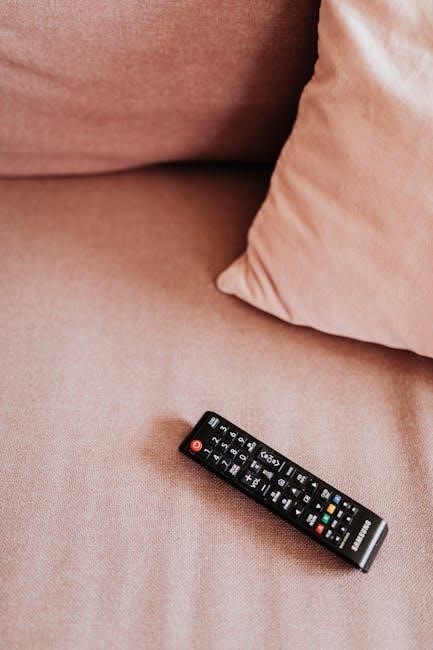
Gas Fireplace Remote Control Instructions: A Comprehensive Guide
Navigating gas fireplace operation often relies on remote controls‚ yet issues arise; this guide details troubleshooting‚ syncing‚ and maintenance for optimal performance and user experience.
Understanding Your Remote System
Your gas fireplace remote system is a convenient way to control flame height‚ heat output‚ and even fan speed without physically interacting with the fireplace itself. These systems typically consist of two primary components: the remote transmitter (the handheld device you use) and the receiver box‚ which is installed within the fireplace unit.
Both the remote and receiver rely on battery power for operation‚ making regular battery checks crucial for consistent performance. The remote communicates with the receiver via radio frequency (RF) signals. Successful operation depends on a clear signal path between these two components. Understanding this basic functionality is the first step in troubleshooting any issues you might encounter. Many modern fireplaces utilize Skytech or Napoleon remote systems‚ each with specific features and potential quirks.
Components of a Gas Fireplace Remote System
A typical gas fireplace remote system comprises several key components working in harmony. The remote transmitter‚ a handheld device‚ houses buttons for controlling fireplace functions and requires batteries for power. The receiver box‚ usually located within the fireplace’s control cavity‚ interprets signals from the remote and operates the gas valve and other features.
Crucially‚ both the remote and receiver box are battery-powered‚ necessitating regular checks. A control area‚ often accessible via a panel‚ houses the receiver and its “Learn” button – vital for syncing. The Learn button facilitates communication between the remote and receiver. Finally‚ a slide switch on the receiver controls operation mode (Remote or On/Off)‚ impacting responsiveness. Proper function of each component is essential for seamless fireplace control.
Remote Control Types & Compatibility
Gas fireplace remote controls aren’t universally interchangeable; compatibility depends on the manufacturer and model. Napoleon fireplaces utilize specific remotes designed for their systems‚ requiring matching receiver boxes. Skytech remotes are common‚ but often require “relearning” procedures to establish communication. Universal remotes can work‚ but programming can be complex and functionality limited.
Understanding your fireplace’s brand is paramount. Some systems use radio frequency (RF) signals‚ while others employ infrared (IR). RF remotes generally have a longer range and don’t require direct line-of-sight. Before purchasing a replacement‚ verify the remote’s frequency and coding type. Incorrect compatibility leads to non-responsiveness‚ necessitating careful selection and potential professional assistance.
Initial Setup and Pairing
Initial setup typically involves inserting batteries into both the remote transmitter and the receiver box located within the fireplace’s control cavity. Ensure correct polarity when installing batteries. Following battery installation‚ the remote and receiver must be “paired” or synchronized. This process usually involves accessing the receiver box and pressing the “Learn” button. Simultaneously‚ a specific button combination on the remote must be pressed and held.
A successful pairing is often indicated by an audible beep from the receiver. If no beep is heard‚ repeat the process‚ ensuring the remote is within close proximity to the receiver. Some systems require multiple attempts. Refer to your fireplace’s manual for the precise pairing sequence‚ as procedures vary between manufacturers like Napoleon and Skytech.
Battery Replacement Procedures
Maintaining optimal performance requires regular battery checks in both the remote control handset and the receiver box. Begin by locating the battery compartments on each unit. Typically‚ these are accessible via a sliding cover or a small screw. Remove the old batteries‚ noting the correct polarity (+ and -) for proper installation of the replacements. Use compatible battery types as specified in your fireplace’s manual.
For the receiver box‚ it’s often beneficial to switch the power off before battery replacement. After installing new batteries‚ restore power and test the remote’s functionality. If the remote doesn’t respond‚ re-syncing may be necessary. Always dispose of old batteries responsibly‚ following local regulations.
Remote Control Battery Replacement
Replacing batteries in your remote is a straightforward process crucial for consistent operation. First‚ locate the battery compartment‚ usually on the back or underside of the remote. Gently slide open the cover‚ often requiring a slight push or release mechanism. Remove the depleted batteries‚ carefully observing the polarity markings (+ and -) inside the compartment.
Install fresh batteries of the correct type – typically AA or AAA – ensuring correct alignment with the polarity indicators. Once the batteries are securely in place‚ slide the cover back on until it clicks shut. Test the remote by attempting to control the fireplace; if it doesn’t work‚ double-check battery installation and consider re-syncing.
Receiver Box Battery Replacement
The receiver box‚ housed within your fireplace’s control cavity‚ also requires periodic battery checks. Locate the receiver box and open its battery compartment – the method varies by model‚ so consult your fireplace manual if needed. Remove the existing batteries‚ noting the correct polarity (+ and -) as indicated inside the compartment.
Insert new batteries of the specified type‚ ensuring proper alignment. Securely close the battery compartment. After replacement‚ it’s often necessary to re-sync the remote with the receiver. This usually involves pressing the “Learn” button on the receiver and following the remote’s pairing instructions. Failing to replace these batteries can lead to a non-responsive system.
Syncing/Re-Syncing the Remote and Receiver
Re-establishing communication between your remote and receiver is crucial when the remote stops controlling the fireplace. Begin by ensuring fresh batteries are installed in both units. Access the receiver box‚ typically located within the fireplace’s control area. Locate the “Learn” button on the receiver – it’s often small and recessed.
Activate “Learn” mode by pressing and holding this button for a specified duration (often 10 seconds)‚ until an indicator light flashes. Then‚ follow the remote’s specific synchronization procedure‚ usually involving pressing a combination of buttons. Successful syncing is often confirmed by a beep from the receiver. If unsuccessful‚ repeat the process‚ ensuring no interference exists.
Step-by-Step Reset Instructions ౼ Accessing the Control Area
Initiating the reset process requires locating the receiver box‚ the central hub for remote communication. This area is commonly found within the fireplace’s control cavity‚ often behind a lower access panel or within the base. Carefully remove any protective panels or covers to reveal the receiver box.
Be mindful of any wiring or components within the cavity. Once exposed‚ visually inspect the receiver box for any obvious damage or loose connections. Note the position of the receiver’s power switch – it’s vital to return it to the correct setting after the reset. Familiarize yourself with the “Learn” button’s location; it’s key to re-syncing the remote.
Step-by-Step Reset Instructions ౼ Checking the Remote Switch Position
Before proceeding with synchronization‚ verify the remote control’s switch is correctly positioned. Many remotes feature a slide switch‚ typically offering options like “On/Off” or “Remote/Fireplace.” Ensure this switch is set to the “Remote” position; this enables the remote to communicate with the receiver box.
If the switch remains in the “On” or “Fireplace” setting‚ the remote may attempt to directly control the fireplace’s valve‚ bypassing the receiver. This prevents successful syncing. Double-check this setting‚ as it’s a frequently overlooked step. A correctly positioned switch is crucial for establishing a connection during the learning process‚ ensuring the receiver recognizes the remote’s signals.
Step-by-Step Reset Instructions ⎯ Activating Learn Mode
To initiate the synchronization process‚ you must activate “Learn Mode” on the receiver box. Locate the “Learn” button‚ usually a small‚ recessed button on the receiver’s faceplate. Press and hold this button for a specified duration – commonly 10 seconds – until an audible beep confirms activation. This beep signals the receiver is ready to accept the remote’s signal.
During Learn Mode‚ the receiver actively searches for a new remote signal. It’s vital to complete the following steps within a short timeframe‚ typically a few minutes‚ before the receiver exits Learn Mode. Some models may display a flashing light to indicate readiness. Ensure no other remote signals interfere during this process for successful pairing.
Step-by-Step Reset Instructions ⎯ Synchronizing the Remote
With the receiver in Learn Mode (indicated by a beep or flashing light)‚ press and hold any button on the remote control for several seconds. This transmits the remote’s unique signal to the receiver. A second beep from the receiver confirms successful synchronization; the receiver has now “learned” the remote’s code.
If synchronization fails‚ repeat the process‚ ensuring you’re within a reasonable distance of the receiver. Avoid pressing multiple buttons simultaneously. Some systems require cycling the power to the fireplace after synchronization. Test the remote’s functionality by attempting to control the fireplace; successful operation confirms the process is complete.
Troubleshooting Common Issues
Remote control malfunctions are frequently encountered‚ often stemming from simple causes. A “no signal” issue typically indicates depleted batteries in either the remote or receiver box; replacement is the first step. Interference from other electronic devices can also weaken the signal‚ so try relocating the receiver. If the remote still fails‚ resyncing is often necessary‚ following the procedures outlined in this guide.
A weak signal might suggest a low battery or obstructions between the remote and receiver. Ensure a clear line of sight. If problems persist‚ check the receiver’s switch position – it must be set to “Remote” for operation. Consistent issues may point to a faulty remote or receiver‚ requiring professional assessment.

Remote Not Responding ౼ No Signal
A complete lack of response from your gas fireplace remote usually indicates a communication breakdown. The most common culprit is depleted battery power within either the remote handset itself or the receiver box housed within the fireplace unit. Begin by replacing the batteries in both components with fresh‚ compatible ones‚ ensuring correct polarity.
If new batteries don’t resolve the issue‚ investigate potential interference. Other electronic devices can sometimes disrupt the signal. Try temporarily turning off nearby electronics to see if this restores functionality. Also‚ confirm the receiver box’s power switch is in the “Remote” position. If no beep is heard during syncing‚ holding the LEARN button for ten seconds may be necessary.
Remote Not Responding ౼ Weak Signal
Experiencing intermittent or delayed responses from your gas fireplace remote suggests a weak signal. While fresh batteries are the first step‚ consider the distance between the remote and the receiver box. Excessive distance or obstructions like walls and furniture can significantly weaken the signal strength.

Try moving closer to the fireplace and ensuring a clear line of sight. Check the receiver box for any physical obstructions. A weak signal can also indicate a need to re-sync the remote with the receiver. Follow the re-syncing procedure outlined in the manual‚ paying close attention to the “Learn” button activation and ensuring the receiver is in “Learn” mode before transmitting from the remote.
Identifying the Receiver Box Location
Locating the receiver box is crucial for troubleshooting and re-syncing your gas fireplace remote. Typically‚ the receiver is housed within the fireplace’s control cavity‚ often accessible from the front or side of the unit. This cavity usually contains the gas valve and other control components.

Look for a small‚ rectangular box with a visible “Learn” button – this is your receiver. It may be secured with screws or simply slide into place. Refer to your fireplace’s manual for a precise diagram of the control cavity and receiver location‚ as placement varies between models and manufacturers. Identifying this box allows for battery checks and initiating the re-sync process when the remote isn’t responding.
Understanding the “Learn” Button Function
The “Learn” button on the receiver box is fundamental for pairing or re-syncing your gas fireplace remote. This button essentially teaches the receiver to recognize the unique signal emitted by your remote control. When initiating a sync‚ pressing and holding the “Learn” button activates a receptive mode within the receiver.
Typically‚ a beep confirms activation. While in “Learn” mode‚ the receiver awaits the signal from the remote. After pressing a button on the remote‚ the receiver stores that remote’s code. This process establishes communication‚ allowing the remote to control the fireplace. Holding the button for an extended period‚ like ten seconds‚ can sometimes reset the receiver for a fresh learning cycle.
Napoleon Fireplace Remotes ⎯ Specific Considerations
Napoleon fireplace remotes‚ like many gas fireplace systems‚ rely on both the remote transmitter and the receiver box being adequately powered. A common issue involves depleted batteries in either component. Regularly checking and replacing batteries – typically AA or AAA – is crucial for consistent operation. Napoleon remotes often utilize a specific pairing process; ensure the receiver box is accessible within the fireplace’s control cavity.
When troubleshooting‚ verify the receiver’s switch is set to “Remote” mode. If syncing fails‚ a longer hold on the “Learn” button (sometimes exceeding ten seconds) might be necessary. Napoleon’s documentation emphasizes the importance of a clear line of sight between the remote and receiver during the learning process‚ avoiding interference.
Skytech Remote Control Relearning Procedures

Skytech remote controls‚ frequently found in gas fireplaces‚ sometimes require relearning to function correctly. Begin by locating the receiver box‚ usually within the fireplace’s control area. Ensure fresh batteries are installed in both the remote and receiver. A crucial step involves accessing the receiver’s “Learn” button. Press and hold this button – often for around 10 seconds – until an audible beep confirms activation of “Learn” mode.
Next‚ press and hold the desired function button (like “On/Off”) on the remote. A successful synchronization is indicated by another beep from the receiver. Repeat this process for each function you wish to program. If no beep is heard‚ repeat the receiver’s “Learn” button activation and remote button press. Consistent relearning may be needed after battery changes.
Gas Fireplace Troubleshooting ⎯ General Tips
When facing issues with your gas fireplace‚ start with the basics. Always verify the gas supply is active and the pilot light (if applicable) is lit. Inspect the burner for obstructions like dust or debris‚ which can hinder proper ignition. Check the venting system to ensure it’s clear and unobstructed‚ preventing carbon monoxide buildup. For remote control problems‚ prioritize battery checks in both the remote and receiver box.
If the fireplace fails to ignite‚ attempt a manual reset following the manufacturer’s instructions. Regularly inspect the glass door for cracks or damage. Remember‚ safety is paramount; if you smell gas or suspect a malfunction‚ immediately shut off the gas supply and contact a qualified technician.
Maintaining Your Remote System
Consistent upkeep extends the life of your gas fireplace remote. Regularly clean the remote with a soft‚ dry cloth to remove dirt and grime. Avoid exposing the remote to extreme temperatures or moisture‚ as this can damage the internal components. Periodically check the battery contacts for corrosion and clean them gently if necessary. Store the remote in a safe‚ dry location when not in use‚ protecting it from accidental drops or impacts.
Inspect the receiver box annually for dust accumulation and carefully remove it with a vacuum cleaner. Replace batteries in both the remote and receiver on a schedule – typically every 12-18 months – even if they haven’t fully depleted. Proactive maintenance prevents frustrating malfunctions.
Safety Precautions When Handling Remotes & Receivers
Prioritize safety when interacting with your gas fireplace remote system. Always disconnect the gas supply before performing any maintenance on the fireplace or receiver box. Never attempt to disassemble the receiver box yourself; it contains sensitive electronic components. When replacing batteries‚ ensure correct polarity (+ and -) to prevent damage. Keep batteries out of reach of children and pets‚ as they can be hazardous if swallowed.
Avoid using excessive force when pressing buttons or operating the remote. Do not expose the remote or receiver to water or other liquids. If you smell gas‚ immediately shut off the gas supply and contact a qualified technician. Regular safety checks contribute to a secure and enjoyable fireplace experience.
Where to Find Additional Support & Manuals
For comprehensive assistance beyond this guide‚ several resources are available. Begin by consulting your gas fireplace’s original owner’s manual; it contains specific instructions for your model. Manufacturer websites‚ such as Napoleon Fireplaces and Skytech‚ offer downloadable manuals‚ FAQs‚ and troubleshooting guides. YouTube channels like “David Butler ౼ Serving Up Plumbing!” provide helpful video tutorials on gas fireplace troubleshooting‚ including remote control issues.
If you require direct support‚ contact the manufacturer’s customer service department. Local fireplace retailers and qualified gas fireplace technicians can also offer expert advice and repair services. Online forums and communities dedicated to gas fireplaces can provide peer-to-peer support and shared solutions.